
COVID-19 information and response
  • HOME
  • WHO WE ARE
    • About Us
      • CHS is a local, not-for-profit organisation. We understand the local context, make use of local expertise and strategic partnerships to ensure we implement evidence-informed solutions and interventions to existing and emerging public health concerns.
      • Learn more >>
    • More About Us
      • Our Approach
      • Our Strategic Goals
      • Our Solutions
    • Leadership & Partners
      • Board and Leadership
      • Partners
  • WHAT WE DO
    • Our Solutions
      • CHS continues to grow as the preferred partner for health solutions by consistently focusing on the delivery of quality services and continuous improvement in a transparent and accountable manner.
      • Learn More >>
    • Current Programmes
      • Tamatisha TB
      • Shinda Tena
      • TIBU LIMS Secure Sync Project
    • Our Impact
      • Our Impact
      • Focus Areas
      • Tuberculosis in Kenya
    • Past Programmes
      • TIFA Project
      • TB ARC II
      • TB ARC
      • Diagnostics Project
      • Tibulims Project
      • Ezesha_99DOTS Project
      • Tegemeza Plus
      • Shinda
      • Tegemeza
      • Naishi
      • Fikia
      • Afya Info
      • ALHIV Adherence Initiative
  • MEDIA CENTRE
    • News
      • CHS continues to grow as the preferred partner for health solutions by consistently focusing on the delivery of quality services and continuous improvement in a transparent and accountable manner.
      • View >>
    • Blog
      • CHS continues to grow as the preferred partner for health solutions by consistently focusing on the delivery of quality services and continuous improvement in a transparent and accountable manner.
      • View >>
    • Personal Stories
      • CHS continues to grow as the preferred partner for health solutions by consistently focusing on the delivery of quality services and continuous improvement in a transparent and accountable manner.
      • View >>
    • More
      • Video Gallery
  • RESOURCES
    • Papers
      • CHS continues to grow as the preferred partner for health solutions by consistently focusing on the delivery of quality services and continuous improvement in a transparent and accountable manner.
      • View >>
    • Job Aids and Tools
      • CHS continues to grow as the preferred partner for health solutions by consistently focusing on the delivery of quality services and continuous improvement in a transparent and accountable manner.
      • View >>
    • Best Practices
      • CHS continues to grow as the preferred partner for health solutions by consistently focusing on the delivery of quality services and continuous improvement in a transparent and accountable manner.
      • View >>
    • More
      • Annual Reports
      • Newsletters
      • Publications
  • GET INVOLVED
    • Careers
      • CHS continues to grow as the preferred partner for health solutions by consistently focusing on the delivery of quality services and continuous improvement in a transparent and accountable manner.
      • View Careers >>
    • Partner With Us
      • CHS continues to grow as the preferred partner for health solutions by consistently focusing on the delivery of quality services and continuous improvement in a transparent and accountable manner.
      • Learn more >>
    • Subscribe
      • CHS continues to grow as the preferred partner for health solutions by consistently focusing on the delivery of quality services and continuous improvement in a transparent and accountable manner.
      • Subscribe >>
  • CONTACT US
+321 123 4567
info@test.com
My Account

Menstrual Hygiene Day

Posted on May 28, 2015

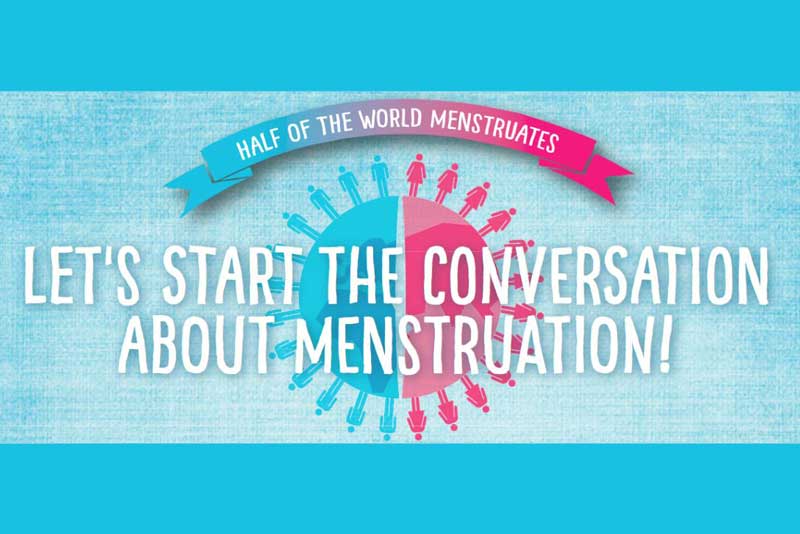
May 28, is Menstrual Hygiene Day, which serves as a neutral platform that brings together individuals, organisations, social businesses and the media to create a united and strong voice for women and girls around the world, helping to break the silence around menstrual hygiene management.

Poor menstrual hygiene increases the risk of getting infections (including sexually transmitted infections), and passing on of blood-borne diseases such as Hepatitis B and HIV/AIDS. Therefore, the need for such campaigns is important to reduce the exposure of individuals to these, and other risks. Poor menstrual hygiene not only affects physical health, but also social and mental well-being.

Commercial menstrual pads can be too expensive for many girls and women from low-income settings to afford and many result to using alternatives like reusable cloth, often washed without soap or clean water, posing a health hazard.

In 2010, The World Health Organisation (WHO) published guidelines on the integration of water, sanitation and hygiene into HIV programmes, which also included recommendations on safe management of menstruation (Section 2.5).

The following is an excerpt from this document:
“Any items soaked with menstrual blood – sanitary pads, towels, rags or cloth – must be disposed of appropriately. Soiled materials that will be reused must be cleaned appropriately. Blood-soaked materials that cannot be reused must be completely burned or discarded in a pit latrine.

Necessary steps for managing menstruation are listed below:
• Soak up blood with sanitary pads, rags or other local materials used.
• Do not store soiled rags for more than a couple of hours. Bloody rags will start to smell, and will attract insects and flies.
• If a woman is bed bound, keep clean rags, washing water and a container for soiled rags near the bed.
• Always protect the hands with gloves or plastic bags when touching someone else’s blood, and always wash hands with soap or ash after handling or disposing of materials contaminated with menstrual blood to prevent virus transmission; this is critical even when gloves or bags are used.
• Dispose of blood-soaked materials that cannot be reused (sanitary pads, etc.) in a pit latrine or burn these materials completely.”

As well as affecting the immune system, HIV infection may also affect the hormonal system of women living with HIV and some may experience menstrual changes, especially those with a low CD4 cell count and/or a high viral load. (Source: AIDSMAP)

CHS encourages proper menstrual hygiene to reduce the risk of infection for all women and girls and especially for women living with HIV.

Search

About CHS

CHS is a local, not-for-profit organisation. We understand the local context, make use of local expertise and strategic partnerships to ensure we implement evidence-informed solutions and interventions to existing and emerging public health concerns. Learn more >>

Recent Posts

  • NPOC ACCESS: Advancing Tuberculosis Diagnosis Through Innovation, Research, and Evidence Generation in Kenya June 16, 2026
  • Digital Communication and Website Management Intern: CHS/HR/INT/01/2026 June 8, 2026
  • Centering People in Health Security: Insights from the 2026 Kenya Health Security Convention May 12, 2026
  • One Patient, One Journey, One System: The TB Reach Vumbua Legacy and the Future of Integrated Health in Kenya April 27, 2026
  • Pre-qualification of suppliers for the supply of goods and provision of services from April 1, 2026, to March 31, 2027 December 5, 2025

News & Features

News
Blog
Case Studies
Personal Stories
Newsletters
Annual Reports
Job Aids & Tools
Meeting Reports
Papers
Events

Quick Links

Our Programs
Focus Areas
HIV/AIDS in Kenya
Tuberculosis in Kenya
One
Our Impact
Our Finances

Get Involved

Careers
Partner
Subscribe

Facebook
Twitter
LinkedIn
YouTube

2023. Center for Health Solutions – Kenya(CHS)

Watermark Business Park | Spring Court | First Floor | Ndege Road, Karen