
COVID-19 information and response
  • HOME
  • WHO WE ARE
    • About Us
      • CHS is a local, not-for-profit organisation. We understand the local context, make use of local expertise and strategic partnerships to ensure we implement evidence-informed solutions and interventions to existing and emerging public health concerns.
      • Learn more >>
    • More About Us
      • Our Approach
      • Our Strategic Goals
      • Our Solutions
    • Leadership & Partners
      • Board and Leadership
      • Partners
  • WHAT WE DO
    • Our Solutions
      • CHS continues to grow as the preferred partner for health solutions by consistently focusing on the delivery of quality services and continuous improvement in a transparent and accountable manner.
      • Learn More >>
    • Current Programmes
      • Tamatisha TB
      • Shinda Tena
      • TIBU LIMS Secure Sync Project
    • Our Impact
      • Our Impact
      • Focus Areas
      • Tuberculosis in Kenya
    • Past Programmes
      • TIFA Project
      • TB ARC II
      • TB ARC
      • Diagnostics Project
      • Tibulims Project
      • Ezesha_99DOTS Project
      • Tegemeza Plus
      • Shinda
      • Tegemeza
      • Naishi
      • Fikia
      • Afya Info
      • ALHIV Adherence Initiative
  • MEDIA CENTRE
    • News
      • CHS continues to grow as the preferred partner for health solutions by consistently focusing on the delivery of quality services and continuous improvement in a transparent and accountable manner.
      • View >>
    • Blog
      • CHS continues to grow as the preferred partner for health solutions by consistently focusing on the delivery of quality services and continuous improvement in a transparent and accountable manner.
      • View >>
    • Personal Stories
      • CHS continues to grow as the preferred partner for health solutions by consistently focusing on the delivery of quality services and continuous improvement in a transparent and accountable manner.
      • View >>
    • More
      • Video Gallery
  • RESOURCES
    • Papers
      • CHS continues to grow as the preferred partner for health solutions by consistently focusing on the delivery of quality services and continuous improvement in a transparent and accountable manner.
      • View >>
    • Job Aids and Tools
      • CHS continues to grow as the preferred partner for health solutions by consistently focusing on the delivery of quality services and continuous improvement in a transparent and accountable manner.
      • View >>
    • Best Practices
      • CHS continues to grow as the preferred partner for health solutions by consistently focusing on the delivery of quality services and continuous improvement in a transparent and accountable manner.
      • View >>
    • More
      • Annual Reports
      • Newsletters
      • Publications
  • GET INVOLVED
    • Careers
      • CHS continues to grow as the preferred partner for health solutions by consistently focusing on the delivery of quality services and continuous improvement in a transparent and accountable manner.
      • View Careers >>
    • Partner With Us
      • CHS continues to grow as the preferred partner for health solutions by consistently focusing on the delivery of quality services and continuous improvement in a transparent and accountable manner.
      • Learn more >>
    • Subscribe
      • CHS continues to grow as the preferred partner for health solutions by consistently focusing on the delivery of quality services and continuous improvement in a transparent and accountable manner.
      • Subscribe >>
  • CONTACT US
+321 123 4567
info@test.com
My Account

Serving to Change Patient Treatment Outcomes: Ruth’s Story

Posted on April 4, 2018

Ruth Wangui, a CHS supported Clinical Officer at the Donyo Sabuk Dispensary in Machakos County believes that the best way to ensure that people in the community take charge of their health outcomes and improve their health seeking behaviour is by equipping them with information. “Our people are perishing because they have limited access to life changing information, we assume that they are aware when they really are not (aware),” she said.

Ruth started serving as a Clinical Officer at Ol Donyo dispensary in June 2017. While routinely going through patient registers at the Comprehensive Care Centre (CCC) clinic, she noticed that there had been an increasing number of HIV positive patients with high viral loads, a discovery that shocked her and one that she sought to address.

Viral load refers to the amount of HIV virus in the blood of a HIV positive individual. A high viral load in a person on treatment indicates either that the medication is not being taken properly, or that the virus is becoming resistant to the medication. If taken as prescribed, antiretroviral drugs help in reducing viral load to low or undetectable levels (viral suppression). Achieving viral suppression protects the body’s immune system, helps people living with HIV to stay healthy and reduces the risk of transmitting HIV to others.

After extensive conversations with the CHS technical team and patients during their routine appointments, she decided to form a support group targeting patients with high viral loads with the aim of empowering them to take charge of their health outcomes.

“I pitched the idea to the patients as they came in for their appointments and word spread very fast. Currently, we have 52 members, 28 of whom have attained viral suppression,” she said. They agreed that they would be meeting on the second Tuesday of every month. Over and above the support group meetings, patients who were not virally suppressed were listed and booked for dedicated monthly clinics and enhanced adherence counselling sessions with other non-suppressed patients.
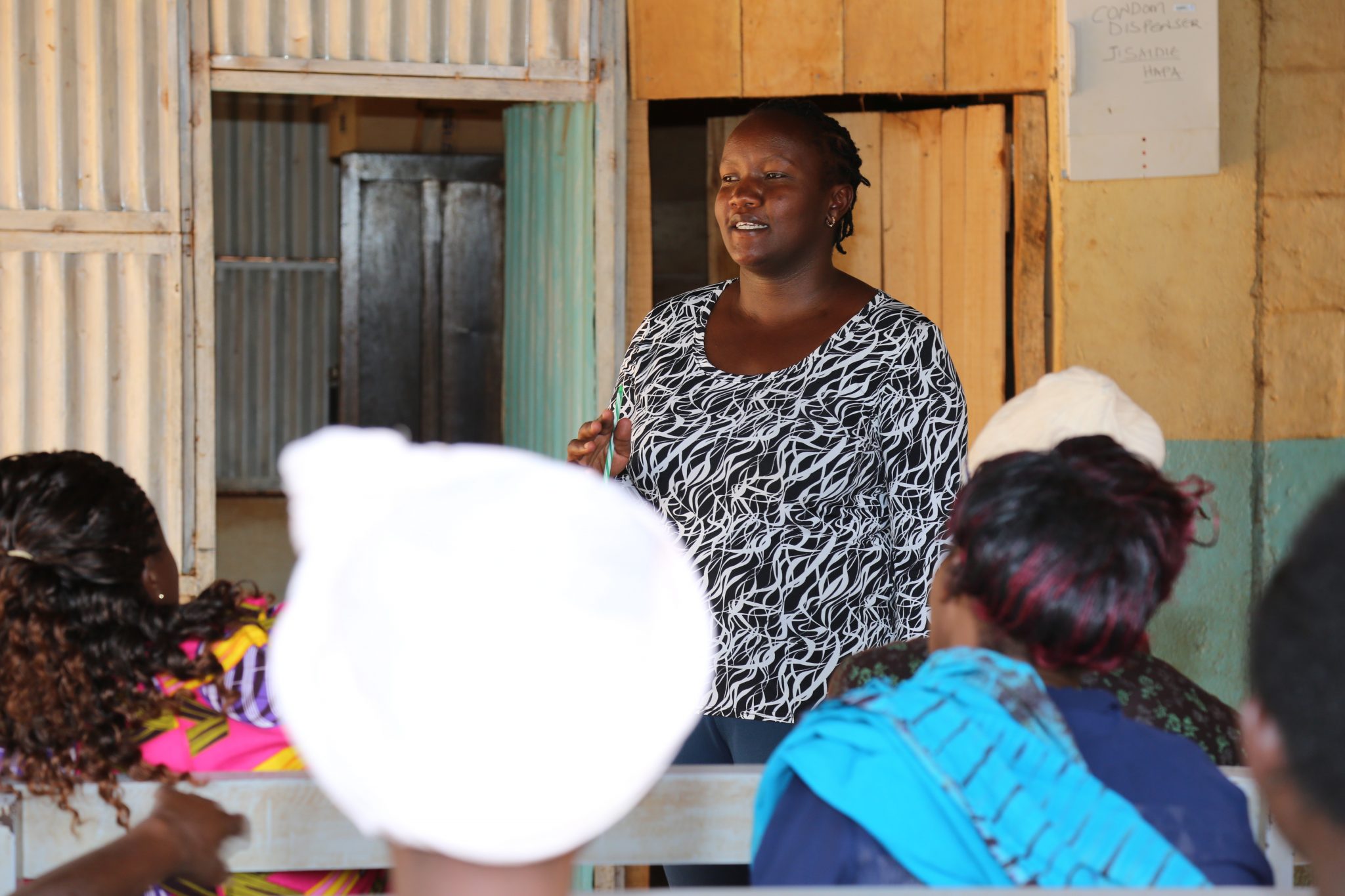
 

Ruth Wangui, Clinical Officer at Ol Donyo Dispensary addressing members of the high viral load support group
                        Ruth Wangui, Clinical Officer at Donyo Sabuk Dispensary addressing members of the high viral load support group


Based on the questions and concerns raised by the members during the initial meetings, Ruth was able to identify reasons why the patients were struggling with viral suppression, from which she developed a list of topics for discussion. The topics included adherence, disclosure, addressing stigma, viral load and CD4. “As much as I used my expertise to come up with suitable topics, I wanted to hear from them. I wanted to understand their concerns and the challenges they were experiencing in the course of their treatment,” she said.

“At first, people were a bit uptight and did not want to share their stories with others but as time went by, they warmed up. I have encouraged them to identify treatment buddies among themselves for moral support,” she said.

As a result of the members’ responsiveness towards the support group and the improved outcomes of the patients, Ruth decided to introduce a high viral load clinic day at the dispensary that coincides with the support group’s meeting day. Patients now hold their support group meeting on the same day that they go in for their monthly appointments and follow-up sessions. The members agreed to contribute some money each month that they use to help those among them in need, and plan to start income generating activities in the future.

CHS supports the training, mentorship and supervision of health care workers to promote the delivery of quality health services and supports innovation to address existing patient challenges.

CHS is committed to promoting membership into support groups. The psychosocial support offered through the various patient support groups plays a major role in addressing the psychological and social problems people living with HIV, their partners, families and caregivers experience. This further serves as a mitigation measure to the physical, psychological, social and economic challenges that come with HIV infection.

Achieving viral suppression is in line with the UNAIDS 90-90-90 2020 treatment targets: 90% of people living with HIV will know their HIV status, 90% of all people with diagnosed HIV infection will receive sustained antiretroviral therapy and 90% of the people on treatment will have suppressed viral loads. As at September 2017, the overall viral suppression rate in the sites supported by CHS in the Lower Eastern region (Machakos, Makueni and Kitui) was 82%.

Search

About CHS

CHS is a local, not-for-profit organisation. We understand the local context, make use of local expertise and strategic partnerships to ensure we implement evidence-informed solutions and interventions to existing and emerging public health concerns. Learn more >>

Recent Posts

  • NPOC ACCESS: Advancing Tuberculosis Diagnosis Through Innovation, Research, and Evidence Generation in Kenya June 16, 2026
  • Centering People in Health Security: Insights from the 2026 Kenya Health Security Convention May 12, 2026
  • One Patient, One Journey, One System: The TB Reach Vumbua Legacy and the Future of Integrated Health in Kenya April 27, 2026
  • Pre-qualification of suppliers for the supply of goods and provision of services from April 1, 2026, to March 31, 2027 December 5, 2025
  • Kenya’s Charge to End TB November 19, 2025

News & Features

News
Blog
Case Studies
Personal Stories
Newsletters
Annual Reports
Job Aids & Tools
Meeting Reports
Papers
Events

Quick Links

Our Programs
Focus Areas
HIV/AIDS in Kenya
Tuberculosis in Kenya
One
Our Impact
Our Finances

Get Involved

Careers
Partner
Subscribe

Facebook
Twitter
LinkedIn
YouTube

2023. Center for Health Solutions – Kenya(CHS)

Watermark Business Park | Spring Court | First Floor | Ndege Road, Karen